


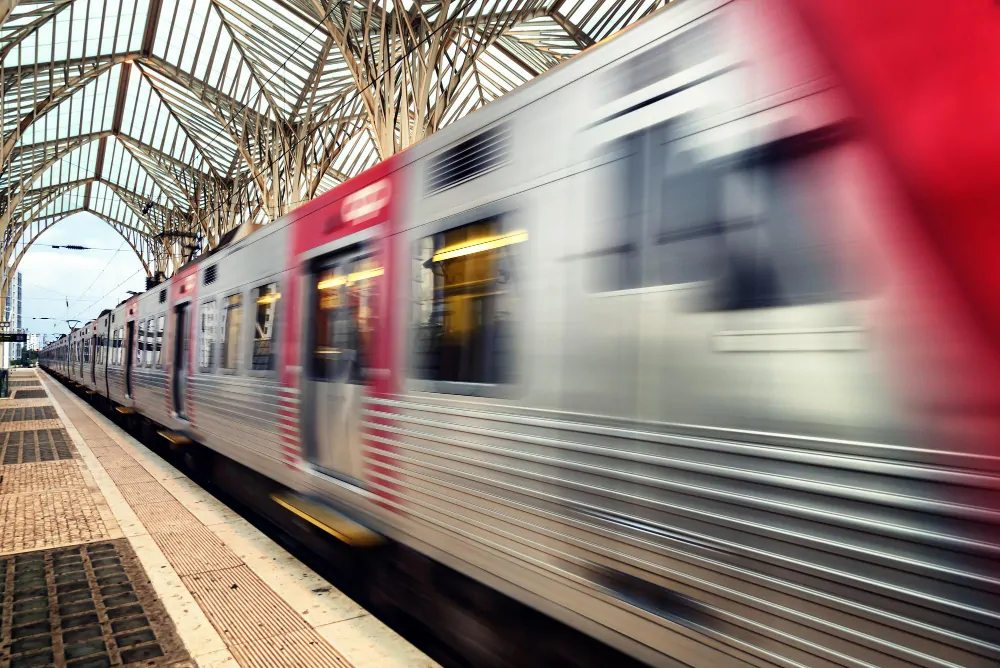
Europe’s summer vacation rush is about to slam the rail network, and train operators are racing to stay ahead of the breakdowns, bottlenecks, and heat-related disruptions that can turn a getaway into a grind.
From late spring through back-to-school season, millions of travelers pack trains across France and the rest of Europe, pushing stations, staff, and rolling stock to their limits. To keep service from buckling, rail companies are leaning harder on data forecasting, beefed-up staffing, newer trains, and real-time passenger alerts designed to manage the inevitable surprises.
The goal is simple: keep trains moving, keep platforms from overflowing, and keep riders informed when things go sideways.
Why summer is the rail system’s toughest stress test
Summer brings a perfect storm for rail operators: heavier crowds, tighter schedules, and less room to recover when something goes wrong. A single stalled train or track issue can ripple across the network, triggering delays that stack up fast.
Punctuality becomes harder to protect when traffic is dense, but it’s also the season when riders are least forgiving, families on fixed hotel check-ins, travelers trying to make connections, and occasional riders who won’t hesitate to switch to driving or flying next time.
Ticketing adds another layer of pressure. As Europe gradually opens passenger rail to more competition, think of it as a slower, more regulated version of airline-style rivalry, customers get more choices, but pricing and offers can become harder to compare. That forces operators to constantly tweak fares to attract vacationers without alienating regular commuters.
How rail companies try to prevent overcrowding before it starts
The first line of defense is forecasting. Operators mine ridership data from previous summers and track booking trends to predict where crowds will spike, then adjust service before platforms start backing up.
Behind the scenes, operations teams and IT departments work in closer lockstep during peak season, updating schedules and staffing plans to avoid service gaps and respond quickly when demand shifts.
More staff on the ground, and more coordination behind the curtain
Expect to see more employees on platforms, in stations, and onboard trains. That extra presence helps speed boarding, answer questions, and respond faster to technical issues or weather-related problems, including heat waves that can strain equipment and infrastructure.
Customer service and call centers also ramp up for the season, handling ticket changes and last-minute disruptions, whether caused by extreme heat, operational snags, or labor actions that periodically hit parts of Europe’s transport system.
Longer trains, newer equipment, and last-minute capacity changes
Another major lever: capacity. Rail companies add service where they can and, just as importantly, change what they run, adding cars, swapping in higher-capacity trainsets, and prioritizing newer equipment on the busiest routes.
In some cases, operators coordinate more closely, an approach made easier by the growing number of companies running passenger service, to keep peak-hour service from collapsing when demand surges.
When disruptions hit, real-time information is the difference-maker
No matter how carefully the summer schedule is built, surprises are guaranteed. That’s why operators are investing more in digital tools and artificial intelligence to spot incidents earlier and push updates to passengers faster.
The playbook is increasingly about flexibility: rerouting travelers, offering alternative itineraries, and processing refunds efficiently when service breaks down. The faster the response, the less damage to the customer experience, and to the operator’s reputation.
Passenger alerts: faster, clearer, and harder to ignore
During peak season, communication becomes part of operations. Rail companies rely on station displays, app notifications, and social media to keep riders updated when delays or cancellations hit.
Common tactics include immediate delay alerts, real-time platform and schedule updates, and rapid guidance to backup options. Done well, it reduces confusion on crowded platforms and speeds rebooking when every minute counts.
Summer pricing goes dynamic, more like airlines
High season also puts fares under a microscope. To balance packed trains with affordability, operators increasingly use demand-based pricing, early-booking deals, targeted promotions, and family discounts.
The strategy is to fill seats intelligently, nudging flexible travelers to less crowded departures while keeping enough options for families and occasional riders who plan around school calendars.
Tech bets: predictive maintenance, smarter booking, fewer breakdowns
Rail companies are also leaning on innovation to make summer travel less fragile. Predictive maintenance systems and remote monitoring aim to catch problems before they strand a train and snarl a corridor.
At the same time, digital ticketing platforms keep getting smoother, while data analytics tools cross-check train occupancy, travel habits, and risk factors to anticipate where the next pinch point will be. With competition rising and expectations climbing, Europe’s rail operators are betting that better tech, and faster decisions, will determine who wins the summer.

- Déplacements doux à 2 roues : le service après-vente devient un enjeu majeur pour les collectivités françaises - septembre 22, 2026
- Bus au GNV et à hydrogène : quand le dépôt devient une zone ATEX - septembre 21, 2026
- Dernier week-end des vacances : les bons plans pour les trajets de Lyon à Marseille sans exploser son budget - août 25, 2026
